Fraud Blocker Skid Steer Grapple Buckets for Faster Cleanup Jobs — Yard Patriots
Skip to content

Filters

Grapple Buckets for Skid Steers

Skid Steer Grapple Buckets Grip Tight and Work Fast

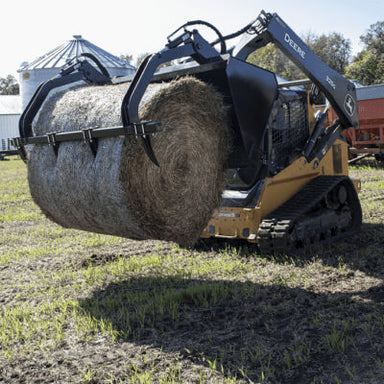
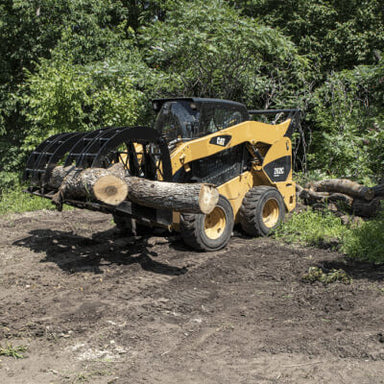
Picking up debris with a regular bucket turns into extra trips, spilled loads, and wasted time. Grapple buckets for skid steers fix that in one move. Instead of chasing your load, you clamp it, carry it, and move on. Logs, brush, roots, scrap, storm cleanup, it all stays locked in from pickup to drop.

At Yard Patriots, we have seen it firsthand. Once someone adds a skid steer grapple bucket, it usually becomes the attachment that stays on the machine. You still have a bucket, but now you have the ability to grab, hold, and control things that used to slow you down. 🇺🇸

Once You Run a Grapple Bucket, You Stop Taking It Off

This is not one of those attachments you swap in occasionally. For most property owners, farmers, and contractors, it becomes the default.

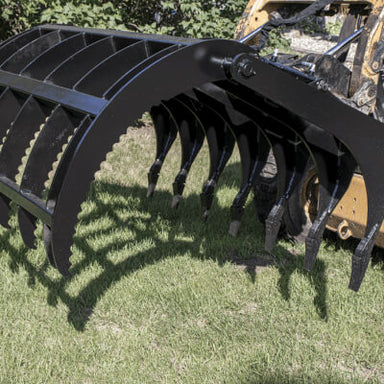
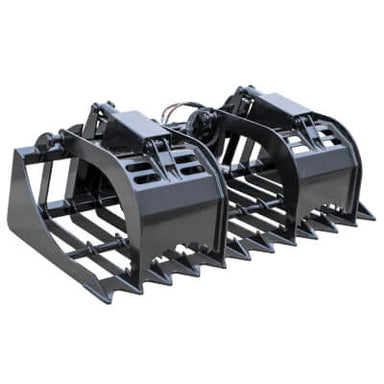
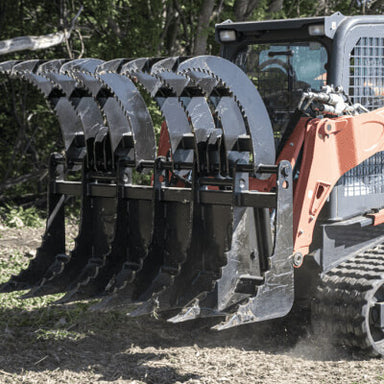
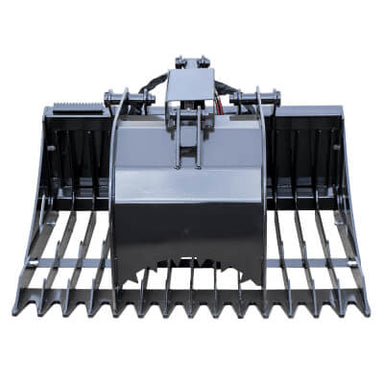
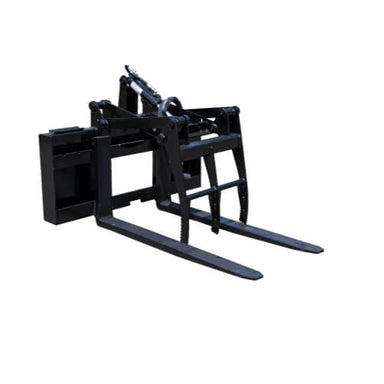
You keep your ability to scoop, but now you can clamp down like a thumb and secure loads that would otherwise fall apart. That combination is what makes grapple buckets one of the most used tools once they are on the machine.
Loose Material Is Where Time Gets Lost, This Fixes That

Brush piles, broken limbs, uneven debris, this is where a standard bucket struggles. You either cannot grab everything or you spend time adjusting the load.

With a grapple bucket, you get under it, clamp it, and go. Even material that would have taken manual effort to load becomes manageable from the seat. That is where the real time savings show up.

Not All Grapple Buckets Are Built for the Same Work

This is where buyers either get it right or regret it. A lighter duty grapple bucket can work perfectly for occasional cleanup on a property. But take that same bucket into demolition, concrete, or heavy debris work, and you are going to bend metal or wear it out fast.

Heavier duty grapple buckets use thicker steel, more reinforcement, and stronger welds because they are built for repeated abuse. Price usually reflects that. If you are working your machine hard, this is not the place to cut corners.

Size Matters More Than Most People Think

A lot of buyers focus on width, but the real question is how it fits your machine and your work. Smaller grapple buckets around 48 inches are often chosen so operators can fit through gates and tight spaces.

On the other end, wider buckets help with larger debris and clearing bigger areas, but they also add weight. If your machine has limited lift capacity, a heavier bucket reduces how much you can actually carry. It is not just about what fits, it is about what performs.

Built for Real Work, From Property Cleanup to Jobsite Demolition

Most customers fall into a few categories. Property owners cleaning up land, farmers dealing with fallen trees and brush, and contractors handling jobsite debris or storm cleanup.

Yard Patriots is veteran owned and operated, and we stand behind equipment that reflects real work. Whether you are clearing acreage or handling heavy material, the right grapple bucket keeps you moving.

Find the one that matches your machine and your workload, and get more done with every pass. 🔥

Skid Steer Grapple Buckets FAQs

Are all grapple buckets universal?

No, and this is one of the most common assumptions that causes problems. While many skid steers use a universal quick attach system (Skid Steer Quick Attach - SSQA), the grapple itself can differ in how it connects and how the hydraulics are set up. There are also different types of hydraulic couplers, with flat face being common on skid steers and pioneer style more common on tractors. The good news is these fittings are usually easy to swap, but you still need to confirm what your machine has before buying. If you are unsure, it is worth checking before you order so everything connects without hassle.

Are grapple buckets worth the investment?

For most buyers, this ends up being one of the most used attachments they own. You do not lose the ability to use it like a bucket, but you gain the ability to grab and secure material at the same time. That combination makes it far more efficient for handling brush, logs, and debris. Many customers leave it on their machine most of the time because it replaces multiple steps in the job. If you regularly deal with loose or bulky material, the time savings add up fast.

Can a grapple bucket damage the ground?

It can, but it depends on how you use it. A grapple bucket is still a bucket, so if you dig aggressively or drag the teeth, you can disturb or damage the ground. That said, most surface impact comes from the machine’s weight and tires rather than the attachment itself. When used for lifting and controlled cleanup, ground disturbance is minimal. Like most equipment, it comes down to the operator.

What size grapple bucket should I get for my skid steer?

Size depends on both your machine and your use case. Smaller widths are often chosen for working in tight areas like gates or fenced spaces, while wider buckets help cover more ground and handle larger loads. The key factor many people overlook is weight. A heavier grapple bucket reduces how much your skid steer can lift, especially on smaller machines. You want a size that fits your environment but still allows your machine to work efficiently.

What is the biggest mistake people make when buying a grapple bucket?

The biggest mistake is choosing based on price alone instead of how the attachment will actually be used. Lower cost grapple buckets often use thinner steel and less reinforcement, which can be perfectly fine for light, occasional use. But if you take that same setup into heavy work like demolition or large debris handling, it will not hold up the same way. Matching the build quality to your workload is what determines whether the attachment lasts or becomes a problem.