Fraud Blocker Pallet Forks for Tractors | Quick Attach Loader Forks β€” Yard Patriots
Skip to content

Filters

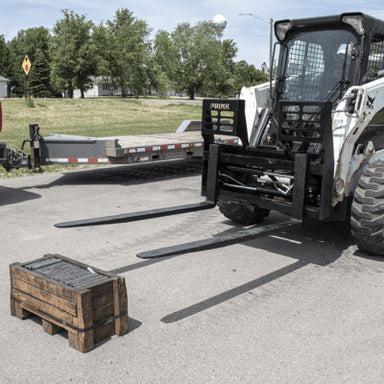
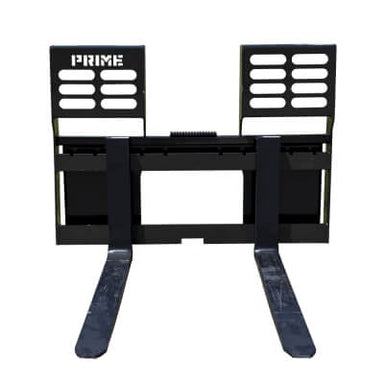
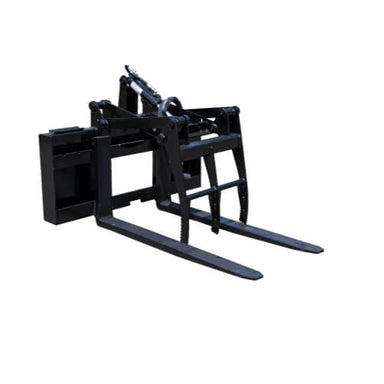
Pallet Forks for Tractors

Stop Dragging Heavy Loads Around With a Bucket and Start Handling Material the Way Your Tractor Was Meant To

A tractor bucket works fine until the load stops cooperating.

The second you start moving pallets, lumber, logs, fence posts, feed, brush piles, attachments, or freight deliveries, the bucket starts turning simple jobs into awkward ones. Visibility disappears. Material rolls around. You make extra trips. And eventually you realize the tractor itself is capable of far more than the attachment on the front. πŸ‡ΊπŸ‡Έ

That is where the right loader forks for tractors completely change how useful your machine becomes.

For a lot of landowners, pallet forks become the attachment that quietly saves the most time over the course of a year. Not because they are flashy, but because they solve problems constantly.

Most People Buy Pallet Forks for One Job and End Up Using Them for Twenty Others

Almost everyone initially thinks about pallets.

Then the forks show up and suddenly they are unloading lumber, moving logs, carrying fence posts, stacking firewood, relocating implements, lifting trees, hauling feed, and unloading bulk supplies from Home Depot or Lowe’s without touching everything by hand.

That is usually the moment pallet forks stop feeling like an accessory and start feeling like part of the tractor itself.

A Tractor Forklift Attachment Makes Bulk Materials Easier Before You Even Leave the Store Parking Lot

One of the biggest advantages of a tractor forklift attachment is the ability to buy materials the way contractors and farms already do.

Instead of loading fifty bags by hand, you can bring home an entire pallet of feed, concrete, seed, fencing supplies, or building materials and unload it directly where you need it.

That saves time, saves labor, and honestly saves your back from a lot of unnecessary punishment.

The Biggest Buying Mistake Is Getting Forks That Are Too Heavy for the Tractor

A lot of buyers assume heavier forks automatically mean better forks.

Sometimes the opposite is true.

Your loader capacity includes both the attachment weight and the load itself. If the fork frame is too heavy, you start losing usable lifting capability before you even pick anything up. That becomes especially important on compact tractors where every pound matters.

The strongest setup is not the heaviest one on the market. It is the one properly matched to your machine.

Longer Forks Can Be Helpful Right Up Until They Start Working Against the Tractor

Longer forks absolutely have advantages.

Sometimes you only need the tips of the forks to slide under part of a load to move it safely. Other times, longer forks help support oversized material that shorter forks cannot handle as well.

But longer forks also push weight farther out in front of the loader. That changes leverage, reduces stability, and can make smaller tractors feel less controlled. In tighter spaces, oversized forks also become harder to maneuver than people expect.

The goal is not buying the longest forks possible. It is buying forks that fit the actual work.

Compact Tractors Can Run Into Trouble Faster Than People Realize

This is where realistic sizing matters.

Many compact tractor owners are not out there weighing every pallet before they lift it. If you grab a pallet of bricks, concrete, lumber, or supplies, it is very easy to exceed the capacity of lightweight forks or overload a smaller machine without realizing it.

That is why build quality matters just as much as the listed rating.

A fork setup that looks fine online may not hold up once real-world lifting starts happening repeatedly.

Most Loader Fork Problems Start With Compatibility, Not the Forks Themselves

The good news is that most modern pallet forks for tractor quick attach systems use skid steer style quick attach.

The bad news is that not every tractor does.

Some older tractors still use pin-on buckets or proprietary mounting systems. John Deere models especially can require closer attention depending on the loader setup. We still see buyers assume all quick attach systems are interchangeable when they are not.

Getting the correct mount style matters before anything else.

The Wrong Fork Setup Usually Feels Clumsy Before It Ever Breaks

Cheap or poorly designed forks often show warning signs early.

Sometimes the quick attach plate does not fit tightly. Sometimes the frame feels sloppy under load. Sometimes adjustment points loosen up or metal-on-metal contact starts creating wear and rust faster than expected.

Then the harder failures show up later. Bent forks. Torn retaining brackets. Cracked welds. Broken connector pins.

Most of those problems start long before the actual failure happens.

Build Quality Matters Most When the Weight Is Uneven and the Ground Is Rough

Straight lifting on flat ground is easy.

The real stress happens when one fork takes more weight than the other, the tractor hits uneven terrain, or the load shifts while moving. That is where better welds, stronger steel, tighter construction, and smarter engineering start separating good forks from disposable ones.

A lot of forks look similar sitting still. Hard work is where the differences finally show up.

The Best Forks Are the Ones That Match Both the Machine and the Workload

One of the biggest misconceptions buyers have is thinking the most expensive or highest-capacity forks are automatically the best choice.

They are not.

If you put oversized 7,000-pound forks on a compact tractor, you are creating a mismatch that hurts maneuverability, reduces lifting efficiency, and adds unnecessary weight out front.

Good equipment matching is about balance. The right size. The right capacity. The right build for the actual work being done.

Once You Own Forks, You Start Looking at Every Heavy Object Differently

That sounds funny until it happens.

Once a tractor has forks on the front, jobs that used to require hand-loading, dragging, lifting, or multiple trips suddenly become simple. Freight deliveries stop being stressful. Material handling gets faster. Heavy jobs feel more controlled.

That is why pallet forks quietly become one of the most-used tractor attachments most owners ever buy. πŸ’ͺ

At Yard Patriots, we believe hardworking Americans deserve equipment that actually fits the machine, fits the workload, and holds up when the real work starts. πŸ‡ΊπŸ‡Έ

Pallet Forks for Tractors FAQs

What can tractor pallet forks actually be used for?

Most people initially buy pallet forks for moving freight pallets, but they quickly end up using them for much more. Pallet forks are commonly used for logs, fence posts, firewood, feed, brush piles, lumber, trees, implements, and bulk material from places like Lowe’s or Home Depot. Many property owners also use them to move attachments that have been set on pallets for easier storage. Once forks are on the tractor, they usually become part of everyday work around the property.

How do I know if pallet forks are too heavy for my tractor?

The attachment weight counts against your loader’s total lifting capacity, which surprises a lot of buyers. If the fork frame is extremely heavy, smaller and compact tractors can lose a significant amount of usable lifting power before the load is even added. That is why oversized forks are not always better. Matching the fork weight and capacity to your actual tractor matters far more than simply buying the heaviest model available.

Are longer pallet forks always better?

Not necessarily. Longer forks can help support oversized or awkward loads and sometimes allow you to grab material with only the fork tips when full access is difficult. But longer forks also move weight farther away from the loader, which reduces stability and puts more leverage on the machine. For compact tractors, barns, trailers, and tighter spaces, shorter forks are often easier to control and better balanced.

What attachment system do most tractor pallet forks use?

Most modern tractors use skid steer style quick attach systems, which are often called universal quick attach systems as well. However, some tractors still use pin-on buckets or proprietary mounts that are not directly interchangeable. Certain John Deere loaders especially may require a different connection style. Verifying your loader attachment system before ordering is one of the most important parts of choosing pallet forks correctly.

Where do cheap pallet forks usually fail first?

Lower-quality forks often develop problems around the quick attach plate, retaining brackets, welds, and connection points before anything else. Poor fitment can create sloppiness under load, while weaker steel and bad welds may eventually lead to bent forks or broken brackets during heavier lifting. Sometimes the issues show up as rust and looseness long before an actual failure happens. Better-built forks usually feel tighter, more stable, and more confidence-inspiring from the beginning.