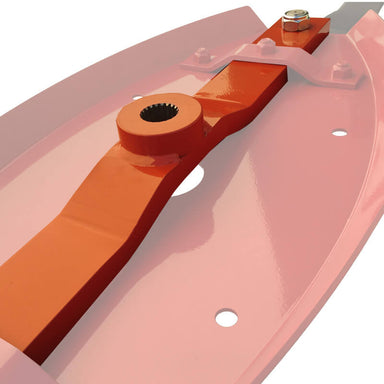
Medium-Duty Rotary Cutter for Farms and Land Maintenance Powerful, rugged cutter built for dependable brush mowing and field maintenance with comp...
View full detailsRotary Cutters for Tractors
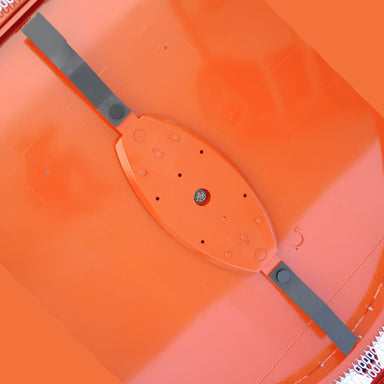
Got a pasture that's getting away from you, brush creeping into the field, or acreage that needs some serious attention? A tractor rotary cutter gives you the cutting power to knock down tall grass, thick weeds, and woody growth without spending every weekend fighting the same ground.
Shop standard, medium, and heavy duty rotary cutters for tractors, built for pasture maintenance, brush clearing, trails, and rough terrain. Find the right cutting width, brush capacity, and PTO requirements for your tractor and the work ahead.
-
BEFCO Equipment BEFCO Tornado RMD Rotary Cutterfrom $5,543.00
-
Sale
BEFCO Equipment BEFCO Tornado RHD Rotary Cutterfrom $6,952.00| /Heavy-Duty Rotary Cutter for Farms & Rough Cutting Tasks Rough terrain? Thick brush? The Tornado RHD rotary cutter takes them all on. The Tor...
View full details -
Sale
BEFCO Equipment BEFCO Tornado BRC Rotary Cutterfrom $2,275.00| /Versatile Rotary Cutter for Farm & Land Maintenance Reliable cutting for pastures, fields, and rural properties — built tough for light-to-med...
View full details
Take Back Overgrown Fields With the Right Tractor Rotary Cutter
When the grass gets waist high and saplings start taking over the pasture, an ordinary lawn mower isn't going to cut it.
A tractor mounted rotary cutter is built for vegetation control on farms, rural properties, hunting land, and other acreage where a finished lawn isn't the goal.
Often called a brush hog or bush hog, this implement uses heavy rotating blades beneath a steel deck to cut tall grass, weeds, and woody growth. Most conventional three point rotary cutters connect to the tractor's rear hitch and operate from the PTO.
The result is a practical way to reclaim overgrown areas, keep pastures manageable, and maintain the land without relying on a separate mowing machine.
When comparing rotary cutters for sale, pay attention to three things first: the size of your tractor, the thickness of the vegetation, and how often you plan to mow.
Standard, Medium, or Heavy Duty: Match the Cutter to the Brush
A rotary cutter's duty class matters more than how aggressive its name sounds.
Standard Duty for Grass, Weeds, and Routine Property Maintenance
If you're maintaining established pastures, mowing field edges, or cutting back seasonal weeds, a standard duty rotary mower may be all you need.
These cutters are generally intended for lighter vegetation and routine upkeep rather than repeated clearing of thick woody brush.
For example, the BEFCO Tornado BRC is a standard duty series rated for cutting material up to 1 inch in diameter.
That makes this class worth considering for landowners who want to keep fields under control before light brush becomes a bigger problem.
Medium Duty for Heavier Growth and Occasional Saplings
When pasture maintenance starts involving thicker weeds, young saplings, and rougher cutting conditions, stepping up to a medium duty cutter makes sense.
These models generally offer heavier construction and greater cutting capacity than standard duty alternatives.
The BEFCO Tornado RMD, for instance, is rated for material up to 2 inches in diameter.
For landowners maintaining several types of ground, a medium duty machine can provide additional capability without automatically moving into the heaviest equipment available.
Heavy Duty for Thick Brush and Demanding Clearing Work
If you're dealing with neglected acreage, dense woody vegetation, and repeated rough cutting, a heavy duty rotary cutter deserves a closer look.
This class is intended for more demanding work, with heavier components and higher brush cutting capacities on appropriately rated models.
As an example, the BEFCO Tornado RHD is rated to cut material up to 3 inches in diameter.
Cutting capacity is model specific. A heavy duty label doesn't establish a universal brush diameter rating, and a wider deck doesn't automatically mean a machine can cut thicker material.
What Size Rotary Cutter Will Your Tractor Handle?
A wider cutter covers more ground with each pass, but only if your tractor can operate it effectively.
Common cutting widths to compare include:
- 4 foot rotary cutters: Useful for smaller tractors, narrow trails, and properties where maneuverability matters.
- 5 foot rotary cutters: A practical size for general property maintenance and compact tractors with suitable power and lift capacity.
- 6 foot rotary cutters: Popular for larger pastures, fields, and acreage where covering more ground per pass is important.
- 7 foot and larger cutters: Intended for appropriately sized tractors working larger, more open areas.
Those are general sizing categories, not horsepower ratings. Two 6 foot cutters can have substantially different weight, construction, and tractor requirements.
When choosing a rotary cutter for your tractor, check:
- Tractor horsepower: Confirm that your machine falls within the manufacturer's recommended range.
- PTO horsepower and speed: Check the power available to the implement and its required PTO speed, commonly 540 RPM on conventional three point cutters.
- Three point lift capacity: Make sure your tractor can safely lift and control the cutter's weight.
- Hitch category: Match the implement's mounting requirements to your tractor.
- Cutting width and overall dimensions: Consider your tractor's width, available storage, gates, trails, and transport requirements.
Don't size a cutter using engine horsepower alone. The attachment needs to match the tractor's power, lifting ability, and intended workload.
Which Features Matter When You're Mowing Rough Terrain?
Not every tractor rotary mower is built the same way. Several design differences affect durability, maintenance, and performance in the field.
Shear Bolt vs Slip Clutch PTO Protection
Rotary cutters use driveline protection to limit damage when the blades encounter excessive resistance.
A shear bolt is designed to break under a specified overload, interrupting power transmission. It's mechanically simple, but the broken bolt must be replaced.
A slip clutch limits transmitted torque by allowing controlled slipping during an overload. It requires inspection and maintenance to operate correctly.
Neither system makes it safe to mow through rocks, stumps, or hidden debris. Both serve to protect the equipment when an overload occurs.
Blade Construction and Stump Jumpers
Heavy swinging blades are one of the defining features of a brush hog.
Some models also use a stump jumper, a protective disc or pan beneath the gearbox that helps the cutter ride over certain obstructions and protects the blade carrier.
Blade thickness, mounting hardware, and the cutter's overall construction are important when comparing equipment intended for heavier work.
Tailwheels, Deck Float, and Cutting Height
A rotary cutter typically uses a rear tailwheel and adjustable hitch arrangement to help support the deck and control cutting height.
A properly adjusted floating hitch allows the cutter to follow ground contours as the tractor moves across uneven terrain.
Cutting height matters when maintaining pasture cover or working around rough ground. For example, BEFCO's Tornado BRC and RMD models offer cutting heights from 1 to 9¼ inches.
Compare the adjustment range of the exact model rather than assuming every cutter offers the same settings.
Guards, Side Skids, and Service Access
Front and rear guards help reduce the risk of material being thrown from the cutter. Replaceable side skids can help protect the deck during ground contact.
Also consider access to the gearbox, driveline, blades, and other service points.
When you're buying equipment to maintain acreage for years, the ability to inspect, maintain, and replace wear components matters.
Where Tractor Rotary Mowers Earn Their Keep
Pastures and Agricultural Fields
Routine cutting controls tall weeds and unwanted growth before fields become difficult to maintain. A properly sized rotary cutter lets farmers and landowners maintain larger areas without requiring a lawn quality finish.
Overgrown Land and Brush Clearing
Reclaiming neglected fields often means dealing with tall grass, woody stems, and uneven ground. Match the cutter's duty class and published brush capacity to the vegetation you're clearing.
Hunting Properties and Food Plot Access
Maintaining trails, access lanes, field boundaries, and openings around food plots can help keep a property accessible throughout the season.
Rotary cutters are particularly useful for managing taller vegetation where a close, finished cut isn't necessary.
Fence Lines, Trails, and Rural Roads
Regular mowing keeps brush from encroaching on access routes and property boundaries. Cutting width, turning space, and ground conditions are especially important in these areas.
When Is a Flail Mower the Better Choice?
A brush hog excels at rough cutting, but it isn't always the ideal machine for regularly maintained grass.
A flail mower uses multiple smaller knives or hammers mounted to a horizontal rotor. It generally shreds vegetation into finer clippings and can leave a more uniform finish on maintained ground.
If your main job is knocking down thick growth or cutting substantial standing brush, a suitably rated rotary cutter often makes more sense.
If you're mowing established pastures, orchard rows, and maintained trails frequently, a flail may be worth considering.
For a detailed breakdown of cutting performance, brush capacity, rocks, maintenance, and actual tractor owner experiences, read our Flail Mower vs Brush Hog Guide
You can also browse our tractor flail mowers or explore tractor mulchers and shredders for different vegetation management needs.
Find Equipment That Can Handle the Work Ahead
The best cutter for your property isn't necessarily the biggest or most expensive one. It's the machine that matches your tractor, handles the vegetation you're cutting, and can stand up to the work you expect from it.
At Yard Patriots, we help farmers, contractors, and landowners find serious equipment without the guesswork of buying from a faceless equipment website.
Need help choosing the right working width or duty class? Call or text 833-405-1700 with your tractor model and a description of the ground you're maintaining. We'll help you narrow down the options.
Tractor Rotary Cutter Frequently Asked Questions
What is a rotary cutter for a tractor used for?
A tractor rotary cutter is a PTO powered attachment used to mow tall grass, weeds, brush, and overgrown vegetation. Common applications include pasture maintenance, clearing neglected fields, maintaining trails, and controlling growth along fence lines. Unlike a finish mower, a rotary cutter is designed primarily for rough cutting rather than producing a lawn quality finish.
What size rotary cutter do I need for my tractor?
Choose a cutting width based on your tractor's horsepower, available PTO power, three point lift capacity, and mowing conditions. Four and five foot cutters are commonly considered for smaller tractors, while six foot and larger models are often used on bigger properties. However, two cutters with the same width can have very different weight and horsepower requirements. Always verify the specifications for the exact model.
How thick of brush can a heavy duty rotary cutter handle?
Cutting capacity depends on the specific model, not simply whether it's labeled heavy duty. For example, BEFCO rates its standard duty Tornado BRC for material up to 1 inch in diameter, the medium duty RMD for up to 2 inches, and the heavy duty RHD for up to 3 inches. Match the cutter's published rating to the vegetation you're clearing.
What's the difference between a brush hog and a rotary cutter?
In everyday tractor equipment terminology, brush hog, bush hog, and rotary cutter generally refer to the same type of implement. Bush Hog is also a manufacturer name. These machines use heavy rotating blades beneath a deck to cut grass, weeds, and brush. Their cutting capacity, construction, and intended applications vary by model and duty class.
Should I choose a shear bolt or slip clutch rotary cutter?
Both systems protect the tractor's PTO driveline and cutter against excessive torque. A shear bolt breaks during an overload and must be replaced. A slip clutch allows controlled slipping to limit transmitted torque but requires periodic inspection and maintenance. Neither system prevents all damage from striking obstacles. Choose the driveline protection offered for your preferred model and follow the manufacturer's maintenance requirements.