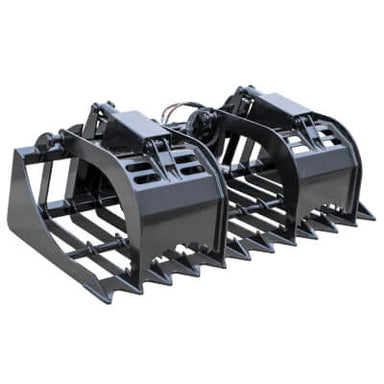
Storm Rock Bucket for Screening Stone, Roots, and Field Debris A straightforward attachment page focused on real work: fitment, specs, weight, and...
View full detailsFilters
Tractor Bucket Attachments
-
Storm Attachments Skid Steer Rock Bucket Attachment β Storm Attachmentsfrom $1,139.55
-
Sale
Storm Attachments Tractor Bucket Attachment β Storm Attachmentsfrom $950.16| /Storm Tractor Bucket for Compact Tractor Loader Work Storm specs and Yard Patriots formatting come together here so the right machine match is eas...
View full details -
Sale
-
Sale
-
Sale
-
Sale
-
Sale
Glacier Attachments Heavy Duty Bucket for Skid Steer β Glacier Attachmentsfrom $1,747.31| /Heavy Duty Skid Steer Bucket for General Purpose Material Work General purpose bucket with welded boron cutting edge and tooth options. The Gla...
View full details -
Sale
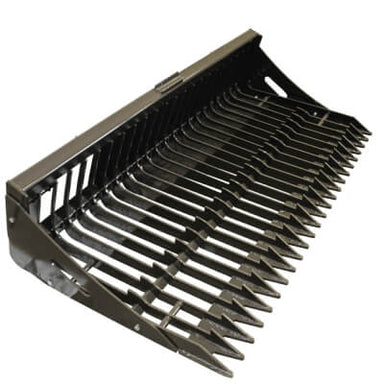
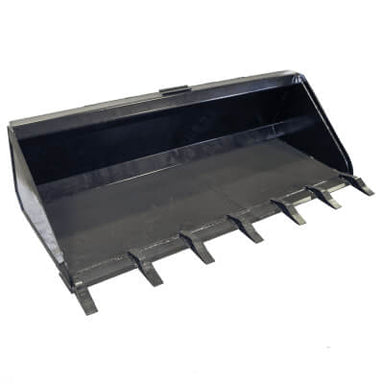
Glacier Attachments Heavy Duty Rock Bucket for Skid Steer β Glacier Attachmentsfrom $2,127.16| /Heavy Duty Skid Steer Rock Bucket for Sorting and Cleanup A skeleton-style rock bucket with 3/8 in. steel tines, removable side plates, and 60, 72...
View full details -
Sale
Storm Attachments Heavy Duty Grapple Bucket β Storm Attachmentsfrom $3,039.87| /Storm Heavy Duty Grapple Bucket for Tough Cleanup Loads Key fitment details stay up front: mount style, working specs, hydraulic needs where appli...
View full details -
Sale
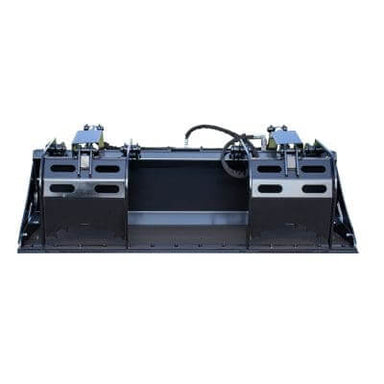
Storm Attachments Skid Steer Rock Grapple β Storm Attachmentsfrom $1,975.22| /Storm Rock and Brush Grapple for Sifting, Clamping, and Cleanup A straightforward attachment page focused on real work: fitment, specs, weight, an...
View full details -
Sale
-
Sale
-
Sale
-
Sale
-
Sale
-
Save $-1,400.00
-
Save $-592.78
Storm Attachments Snow Blade Side Kit β Storm Attachments$592.78| /Storm Snow Blade Side Kit for Cleaner Snow Containment A straightforward attachment page focused on real work: fitment, specs, weight, and the job...
View full details -
Save $-2,727.43
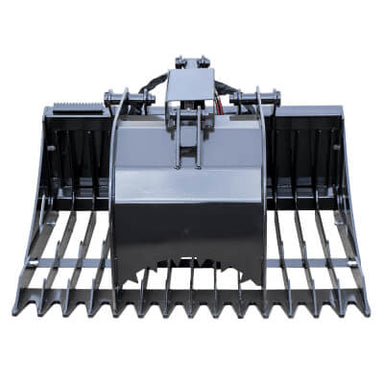
Storm Attachments 66 inch Grapple Bucket β Storm Attachments$2,727.43| /66 Inch Storm Grapple Bucket for Clamping Brush and Debris A straightforward attachment page focused on real work: fitment, specs, weight, and the...
View full details -
Sale
Glacier Attachments Extreme Grapple Bucket β Glacier Attachmentsfrom $4,941.26| /Extreme Grapple Bucket for Demolition and Debris Cleanup A heavy-duty skid steer grapple bucket with dual cylinders, removable side plates, wear b...
View full details -
Sale
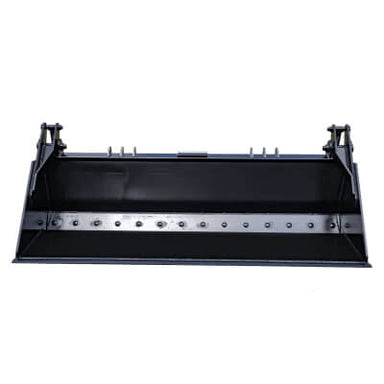
Storm Attachments John Deere Tractor Bucket Attachment β Storm Attachmentsfrom $1,026.13| /John Deere Compatible Storm Tractor Bucket for Loader Work Key fitment details stay up front: mount style, working specs, hydraulic needs where ap...
View full details -
Sale
Storm Attachments Skid Steer Bucket Attachment β Storm Attachmentsfrom $1,215.52| /Storm Skid Steer Material Bucket for Dirt, Mulch, and Grading A straightforward attachment page focused on real work: fitment, specs, weight, and ...
View full details -
Sale
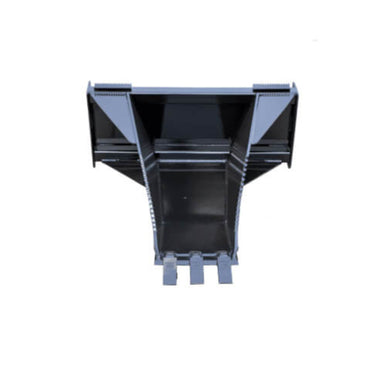
Storm Attachments Skid Steer Snow Bucket β Storm Attachmentsfrom $1,519.40| /Storm Snow and Mulch Bucket for High-Volume Light Material A straightforward attachment page focused on real work: fitment, specs, weight, and the...
View full details
Stop Fighting Your Loader and Start Getting More Done With the Right Bucket Attachments for Tractors
The standard bucket that comes with your tractor is wildly useful at first. You can move dirt, flatten areas, haul gravel, and handle basic cleanup without much trouble. But the second your jobs get more demanding, the limits show up fast. That is where the right bucket attachments for tractors completely change what your machine is capable of doing. πΊπΈ
Most people do not realize the problem until they are trying to grab something awkward, uneven, or oversized and suddenly the bucket is not enough anymore. Logs roll out. Brush spills over the edge. Rocks shift around. The tractor still has power, but the attachment is what starts holding everything back.
At Yard Patriots, we see it all the time. The right attachment does not just improve the tractor. It changes how you use the machine entirely. πͺ
The Standard Bucket Works Great Until the Load Stops Cooperating
Buckets handle loose material well because the material stays contained.
The problem starts when the load becomes uneven or extends past the sides of the bucket. A long log, brush pile, or loose debris quickly becomes frustrating because there is nothing securing it in place. You spend more time repositioning loads than actually moving them.
That is usually the point where operators realize they need something more specialized.
Most People Think They Need a Bigger Bucket When They Really Need a Grapple
This is one of the biggest upgrade moments we see.
A lot of buyers assume they simply need a larger bucket, but the real issue is control. Once you need the ability to grab, clamp, or secure material, a grapple becomes the better solution.
Adding a grapple bucket unlocks an entirely different level of functionality. Suddenly you can handle logs, brush, rocks, hay, and debris without fighting the load every step of the way.
Once a Grapple Bucket Goes On, It Rarely Comes Back Off
There are some attachments people use occasionally. A grapple bucket usually is not one of them.
Once operators experience being able to clamp onto material instead of balancing it inside a bucket, they start using the tractor differently. Jobs that used to feel awkward become easy. Land clearing speeds up. Cleanup gets cleaner. Handling bulky material becomes far less frustrating.
For a lot of landowners, the grapple bucket becomes the attachment that stays on the tractor most of the year.
Heavier Front End Loader Attachments Can Quietly Kill Your Lift Capacity
This is one of the most overlooked mistakes with tractor front loader attachments.
Your loaderβs lift capacity includes both the attachment and the load itself. If your tractor can lift 1,000 pounds and your grapple weighs 500 pounds, you only have roughly 500 pounds left for material.
We have seen buyers go with oversized grapples thinking bigger automatically means better, only to realize they reduced what the tractor could safely lift. In some cases, the load becomes heavy enough to start lifting the rear of the tractor off the ground.
Wider Buckets Move More Material, But They Also Need More Room to Work
Bigger is not always more efficient.
A wider bucket can absolutely move more material in open areas, but tight spaces quickly change the equation. Gates, trees, barns, fencing, and visibility all become issues when the attachment gets too large.
Sometimes a slightly smaller bucket actually speeds the work up because the tractor can maneuver more efficiently without constantly repositioning.
Front End Attachments for Tractors Only Work Well If the Compatibility Is Right
Most newer tractors use skid steer style quick attach systems, but not all of them.
Some brands still use proprietary mounting systems, and hydraulic requirements matter just as much as physical fitment. This becomes especially important with grapples because they often require a third function hydraulic setup to operate properly.
A lot of frustration comes from buyers assuming βhydraulicβ automatically means fully compatible. It does not. Making sure the connection style and hydraulic setup match your machine saves a lot of headaches later.
Cheap Loader Attachments Usually Fail in the Same Two Places
At first glance, cheaper buckets can look almost identical to better-built equipment.
The differences show up over time in the thickness of the steel and the quality of the welds. Thin metal bends faster under stress, especially when handling rocks, logs, or uneven loads. Weak welds start cracking once the attachment sees repeated heavy use.
At Yard Patriots, we focus on equipment that is built for real workloads, not just a lower upfront price. We would rather connect hardworking Americans with equipment that lasts than sell something that becomes a problem a season later. πΊπΈ
Get the right tractor loader attachment the first time and turn your machine into the workhorse it was meant to be.
Bucket Attachments for Tractors FAQs
When should I upgrade from a standard tractor bucket?
A standard bucket works well for loose material like dirt, gravel, and mulch, but the limits show up once you start handling awkward or uneven loads. Logs, brush, rocks, and debris often shift or fall out because the bucket cannot secure them. That is usually the point where buyers start looking at grapple buckets or other specialized front end loader attachments. If you constantly find yourself fighting the load instead of moving it, it is probably time to upgrade.
Is a grapple bucket worth it for a tractor?
For many landowners, absolutely. A grapple bucket gives you the ability to clamp and secure material instead of simply balancing it in the bucket. That makes a huge difference for land clearing, storm cleanup, moving logs, brush piles, and bulky debris. Many operators end up leaving the grapple attached most of the time because it becomes one of the most versatile tools on the tractor.
Does attachment weight affect tractor lifting capacity?
Yes, and it is one of the most misunderstood parts of choosing loader attachments. Your tractorβs lift capacity includes both the attachment and whatever you are trying to lift. A heavier bucket or grapple reduces the amount of usable lifting capacity left for material. This is why matching attachment weight to your tractor size matters just as much as choosing the right attachment type.
What is the most common compatibility issue with tractor front loader attachments?
The biggest issue is assuming all attachment systems connect the same way. Many tractors use skid steer quick attach systems, but some brands use proprietary mounting styles that are not directly compatible. Hydraulic requirements also matter, especially for grapple buckets that require a third function setup. Checking both the mounting system and hydraulic capability upfront prevents a lot of frustration.
What is the difference between cheap and high quality bucket attachments?
The biggest differences are usually in steel thickness, weld quality, and long-term durability. Lower quality attachments may look similar initially, but thinner steel bends more easily and weaker welds tend to fail under repeated stress. Better-built attachments are designed to handle heavier workloads without becoming damaged over time. If you plan to use the equipment regularly, quality becomes noticeable very quickly.