Fraud Blocker Root Grapples for Skid Steers That Pull, Not Just Grab — Yard Patriots
Skip to content

Filters

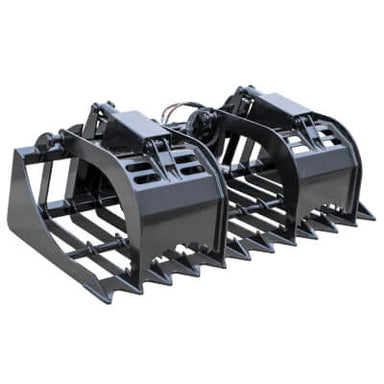
Root Grapples for Skid Steers

Stop Fighting Deep Roots and Start Pulling Them Clean With Skid Steer Root Grapples

Trying to clear roots with the wrong attachment turns into a slow fight against the ground. Skid steer root grapples change that by letting you get underneath, clamp down, and pull material out instead of just scraping over it. When the job is real land clearing, this is the difference between spinning your wheels and actually making progress. 🇺🇸

At Yard Patriots, we’ve seen it firsthand. Once a root grapple goes on, jobs that used to drag out start moving faster because you’re finally using the right tool for what’s in the ground. 💪

Shorter Tines Are Not a Limitation, They Are the Advantage

This is where most people misunderstand root grapples. The shorter tine design is not about less reach, it is about more control.

Shorter tines let you get underneath roots and pry them up without putting excessive leverage on the attachment. Longer tines, like you see on brush grapples, extend further out but are more prone to bending when you try to use them the same way. That difference shows up fast once you start working the ground.

This Is the Line Between Pulling Roots and Just Moving Brush

If you are just grabbing loose debris, a brush grapple can do the job. But when you are trying to get under roots and actually pull material out of the ground, a root grapple is built for that fight.

It is designed to dig in slightly, grab, and lift. That is what separates clearing land from just moving piles around.

When the Roots Do Not Move, It Is Not the Grapple’s Fault

There is a point where roots are simply too thick or too embedded to pull cleanly. When that happens, the right move is not more force, it is a different approach.

That is where tools like a stump bucket or cutting come into play. A root grapple is incredibly effective, but it is built for pulling and separating, not brute force excavation. Knowing that saves both time and equipment.

Tine Length and Spacing Decide How This Tool Actually Performs

There is a balance here that matters more than most buyers realize. You want tines long enough to get under material, but not so long that leverage starts working against you.

Spacing matters too. Wide enough to let dirt fall through, but tight enough to hold onto logs, roots, and debris. When that balance is right, you move cleaner loads with less effort.

Built for Property Owners, Contractors, and Real Land Work

Most customers are clearing fence lines, cleaning up storm damage, pulling old roots, or reclaiming overgrown property. Some are doing it occasionally, others are doing it every day.

Yard Patriots is veteran owned and operated, and we stand behind equipment that reflects real work. Whether you are maintaining land or clearing it, the right root grapple makes the job faster and more controlled.

Find the root grapple that fits your skid steer and start clearing with purpose.

Skid Steer Root Grapples FAQs

What is the difference between a root grapple and a brush grapple?

The biggest difference comes down to tine length and how the attachment handles leverage. Root grapples use shorter tines so you can get underneath roots and pry them up without putting as much stress on the attachment. Brush grapples typically have longer tines, which work well for grabbing loose debris but are more prone to bending if used to pull from the ground. If your goal is land clearing, a root grapple is the better fit.

Can a skid steer root grapple pull out roots?

Yes, especially smaller roots or ones that have already been loosened. A root grapple is very effective at getting underneath and pulling material up and out of the ground. However, thicker or deeply embedded roots may not come out cleanly and can require cutting or a different attachment like a stump bucket. It is designed for pulling and separating, not full excavation.

What should I look for in a skid steer root grapple?

Focus on tine design, build strength, and how the grapple matches your workload. Shorter, stronger tines are better for pulling roots, while spacing should allow dirt to fall through without losing material. You also want solid construction with good welds if you plan to use it frequently. The right balance of strength and design makes a big difference in performance.

What is the biggest mistake people make when buying a root grapple?

One of the most common mistakes is choosing the wrong connection type or not confirming compatibility with their machine. Another issue is expecting a root grapple to act like a digging tool instead of a pulling tool. Matching the attachment to both your machine and the type of work you are doing avoids frustration right away.

When should I choose a heavy duty root grapple?

If you are using the grapple regularly, working with a crew, or clearing dense material and roots often, stepping up to a heavy duty model makes sense. Heavier builds offer stronger welds and better durability under repeated stress. For occasional property cleanup, lighter options can work well, but daily or professional use benefits from the added strength.